
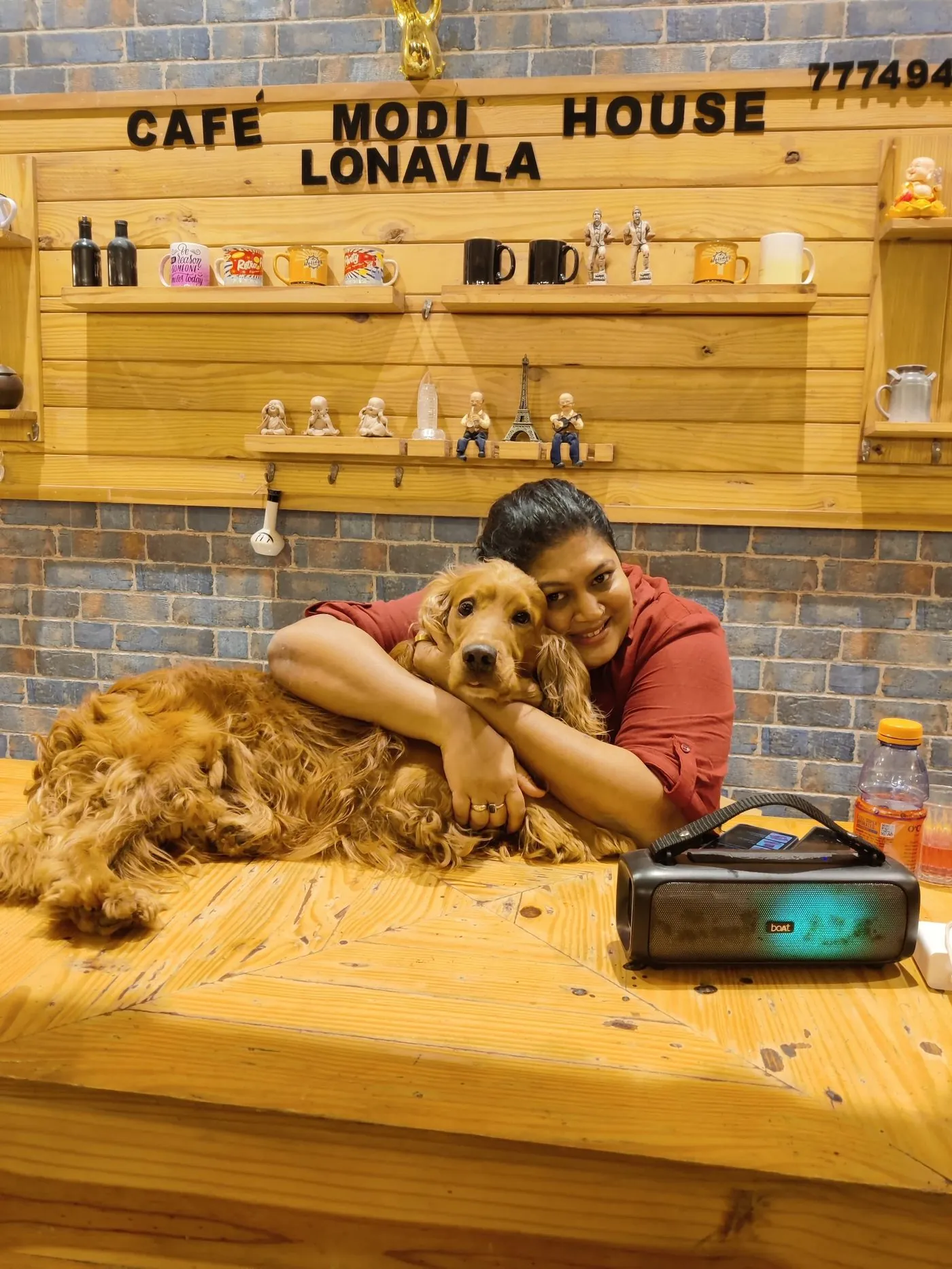
You want a quiet coffee with your dog beside you. Instead, you spend the outing repeating cues and watching every dog that passes. That is useful information about the difficulty of the situation.
Look at what changed
At home, the room, smells and routine are familiar. Outside, your dog has more to notice. Ask whether the setting is currently manageable before asking for more performance.
Make the first version smaller
Choose a quieter environment, keep the visit short and allow more distance from movement. Practise familiar skills where your dog can still respond. A crowded café does not have to be the starting point.
Observe more than the sit
Can your dog pause, sniff, look back to you and recover after something interesting happens? A brief sit alone does not tell you whether the whole outing feels manageable.
Include the parent’s choices
Timing, distance, length of visit and the choice to leave all affect the experience. Write down what was different on an easier outing so you can repeat the useful conditions.
Know when to get help
If you are unsure where the difficulty starts, a Readiness Check can help identify the first priority. Severe distress, safety concerns or sudden behaviour changes may need veterinary or specialist support.
By Mugdha Yelkar, founder of Dog Friendly India. Published 7 September 2026.